Culture & Experiences
by Nan Everidge
The World Is More Interesting When We Become Part of It
Beyond sightseeing, have you ever discovered the joy of participating? Have you ever found yourself somewhere unfamiliar, listening to music you don’t recognize, watching people celebrate a tradition you know little about, and suddenly wishing you understood more?
I’ve always loved that feeling.
There’s something wonderful about discovering the different ways people celebrate, create, cook, perform, and enjoy life.
Sometimes, the most rewarding part of traveling isn’t seeing something famous. It’s doing something new.
Perhaps it’s learning a traditional dance, preparing a regional dish with a local chef, watching an artisan transform ordinary materials into something beautiful, or joining a community celebration whose origins stretch back generations.
These experiences introduce us to traditions, talents, and perspectives we might never encounter at home.
They remind us that culture isn’t confined to museums or historic buildings.
Culture is something people create, practice, celebrate, and share every day.
That’s what I want to explore through Culture & Experiences at The Art of Somewhere.
The Difference Between Watching and Experiencing
Imagine visiting New Orleans.
You could spend a wonderful afternoon admiring its architecture, exploring the French Quarter, and enjoying an excellent meal.
But now imagine stepping into a small music venue and listening to musicians perform jazz in a city that played a central role in its development.
The musicians aren’t simply providing entertainment. They’re participating in a tradition shaped by generations of creativity, cultural exchange, and extraordinary talent.
You notice how the performers communicate, how a melody changes through improvisation, and how the audience responds.
Suddenly, you’re not simply visiting New Orleans. You’re experiencing something essential to its cultural identity.
The same principle applies almost everywhere.
A destination becomes more interesting when we discover what people love to create, celebrate, and share.
The Language of Food
Food is one of the great pleasures of exploring something new. It’s also one of the most accessible ways to learn about another culture.
Consider a cooking class in Provence.
Imagine spending a morning with a local chef learning how fresh herbs, seasonal vegetables, olive oil, and traditional preparations reflect the agricultural heritage of southern France.
Or imagine visiting Oaxaca, Mexico, where regional cooking traditions include complex moles, corn-based dishes, and techniques developed over generations.
A thoughtfully organized culinary experience introduces visitors not only to flavors but also to the people and practices behind them.
A recipe tells us what to do.
A knowledgeable cook can explain why/
Why is a particular ingredient important? Why is a dish associated with a celebration? What memories are connected to the food?
These details make culinary experiences fascinating.
And I wouldn’t expect every traveler to become an accomplished chef during vacation.
Sometimes success means learning one new technique, discovering an unfamiliar ingredient, or simply appreciating the work that goes into preparing a meal.
If the experience ends with everyone gathered around a table enjoying something delicious, so much the better.
Music, Dance, and the Joy of Discovery
My professional life in entertainment has given me a particular appreciation for the people who bring performances to life.
A wonderful performance may appear effortless, but behind it are years of practice, artistic discipline, and creative collaboration.
Travel gives us opportunities to encounter performance traditions that reflect different communities' identities.
In Spain, flamenco offers a compelling example.
Its expressive combination of singing, guitar, dance, and rhythmic accompaniment draws on a rich cultural history, particularly in Andalusia.
Attending a performance can be captivating. Learning something about the art form beforehand makes it even more meaningful.
How do the singer, guitarist, and dancer communicate? How does rhythm influence the performance? What emotions and stories are being expressed?
You don’t need to become an expert to appreciate the answers.
The same is true of traditional Irish music, Caribbean dance, regional theater, and countless other artistic expressions.
We may not understand every word of a song or every gesture in a performance.
But we can still appreciate the artistry, energy, and emotion behind it.
The Beauty of Things Made by Hand
There is something almost magical about watching a skilled craftsperson work.
A potter shaping clay. A glassmaker transforming molten material. A weaver creating an intricate pattern. A woodworker using techniques refined through years of practice.
What appears simple in experienced hands can be extraordinarily difficult to reproduce.
I love the idea of visiting workshops where travelers can learn about traditional craftsmanship and perhaps try a small part of the process themselves.
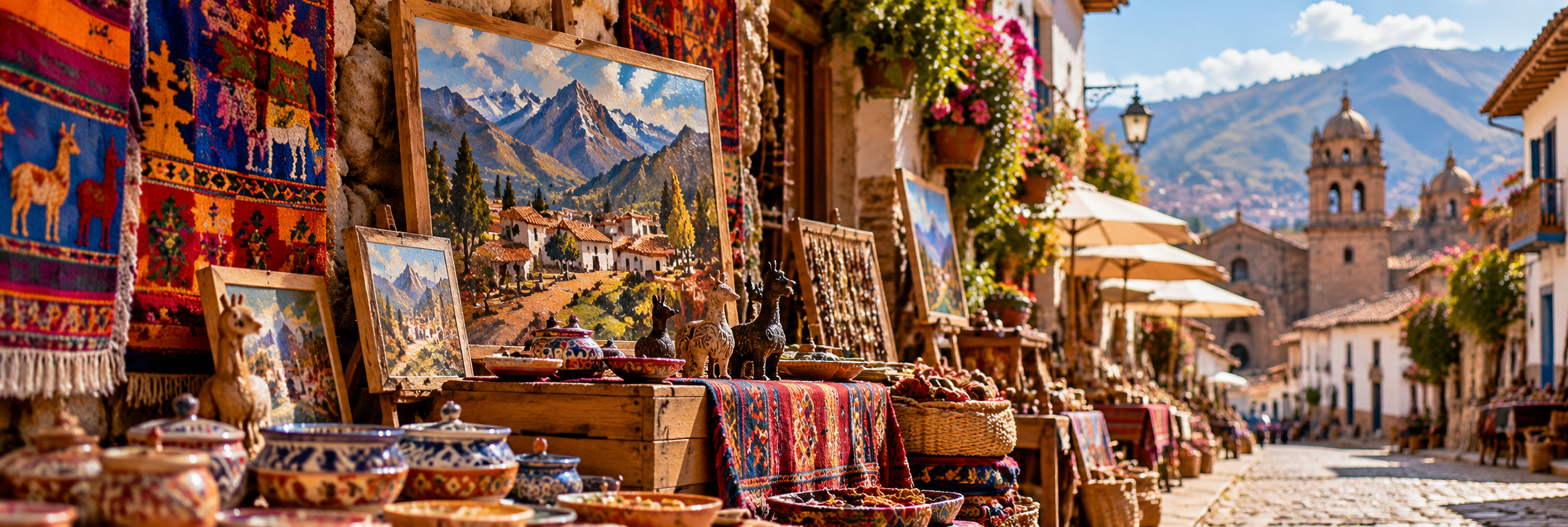
Consider the glassmaking traditions of Murano, near Venice, or the weaving traditions found throughout the Andes.
These experiences become especially meaningful when artisans explain how they learn techniques, why particular designs matter, and how traditional crafts continue to evolve.
Purchasing something beautiful may be a lovely part of the experience. But understanding the knowledge behind its creation gives that object a different significance.
It becomes more than a souvenir.
It becomes a reminder of someone’s talent and the tradition that helped shape it.
Celebrations That Bring Communities Together
Few experiences reveal a community’s personality as vividly as a local celebration.
Festivals bring together music, food, costumes, storytelling, and traditions passed down through generations.
Consider Día de los Muertos in Mexico.
Often misunderstood as simply a colorful spectacle, the observance involves meaningful traditions of remembrance, family, and honoring those who have died.
Appreciating its significance requires more than admiring elaborate decorations. It means understanding the traditions and respecting the communities and families who observe them. Or consider Scotland’s Highland Games, where athletic competitions, music, dance, and cultural traditions introduce visitors to regional identity.
Such gatherings can be fascinating.
But they remind us of something important. Not every cultural tradition exists for tourists.
Some traditions are deeply personal, spiritual, or connected to a community’s history.
Our responsibility is to understand when participation is welcome, when observation is appropriate, and when respectful distance is the better choice.
The privilege of witnessing a tradition should never be mistaken for ownership.
The Art of Learning Something New
One of my favorite ideas for meaningful travel is returning home knowing how to do something I couldn’t do before.
It doesn’t have to be ambitious.
A photography workshop might help you see a landscape differently.
A cooking class might introduce a dish you’ll prepare for friends.
A beginner’s dance lesson might be entertaining, even if your feet don’t always cooperate.
A guided nature experience might teach you to recognize local plants or understand an ecosystem.
These activities encourage participation rather than passive observation. They also permit us to be beginners.
We don’t have to arrive knowing everything. In fact, part of the fun is admitting that we don’t.
Travel offers wonderful opportunities to ask questions, try unfamiliar activities, and occasionally laugh at ourselves
And an experience that begins as a vacation activity might become a lifelong interest.
Culture Is Alive and Always Changing
It’s tempting to think of culture as something preserved from the past. But the most interesting experiences often demonstrate how traditions continue to evolve.
Young musicians interpret established musical forms. Chefs combine regional ingredients with contemporary techniques. Artists draw inspiration from historic craftsmanship while creating entirely new work. Communities develop festivals and creative spaces that reflect changing generations.
A destination doesn’t need to recreate the past to offer an authentic cultural experience.
A modern art exhibition, neighborhood theater production, innovative restaurant, or community music festival may reveal just as much about how people live today.
When we explore a destination, we should be curious about both its heritage and its future. After all, the culture we experience today may become part of the history future generations study.
The Responsibility of Being a Guest
As travelers become more interested in authentic cultural experiences, an important question emerges. How do we participate without turning someone else’s traditions into entertainment created solely for our benefit?
I believe the answer begins with respect.
Seek experiences led by people who understand the traditions being presented.
Learn the meaning behind what you’re seeing. Compensate guides, artists, instructors, and craftspeople fairly.
Respect restrictions involving photography, dress, behavior, or participation. And recognize that sometimes the most respectful response is to listen.
We should also consider where our travel spending goes.
Whenever possible, choosing locally operated experiences helps support the people who sustain a community’s cultural life.
Thoughtful travel should leave us with wonderful memories.
Ideally, it should also leave something positive behind.
Finding the Right Cultural Experience
With so many possibilities, how do we decide which experiences deserve a place in our travel plans?
I’d begin with a simple question. What am I genuinely curious about?
If you love music, look for a performance reflecting the destination’s artistic traditions.
If you enjoy cooking, consider visiting a market or taking a culinary workshop.
If you appreciate craftsmanship, seek out studios where artists discuss their work.
If you’re traveling with children or grandchildren, look for experiences different generations can enjoy together.
Before making reservations, consider who leads the experience, what participants actually do, whether it’s connected to the local community, and whether there are accessibility or language considerations.
The most expensive option isn’t necessarily the most rewarding.
Sometimes a small workshop with an enthusiastic instructor can be more memorable than a highly produced attraction.
The goal is to discover something that encourages curiosity and creates a genuine connection.
What Culture & Experiences Will Bring to The Art of Somewhere
Through this feature, I want to explore the wonderful variety of cultural experiences available to travelers.
We’ll discover culinary traditions and opportunities to learn from local cooks and chefs.
We’ll explore music, theater, dance, and performances that express communities' creative identity.
We’ll look at festivals, celebrations, and the stories that give them meaning.
We’ll meet artisans whose work reflects inherited knowledge and contemporary imagination.
And we’ll consider activities that allow travelers to learn something new and participate thoughtfully.
Some experiences may be sophisticated and carefully curated. Others may be informal, surprising, or wonderfully simple.
What matters most is the opportunity to learn, enjoy, and connect.
I’ll also share practical observations about identifying worthwhile experiences, preparing for them, and understanding what makes them rewarding.
A beautiful photograph may inspire us to travel. But knowing how to participate can make the journey much more meaningful.